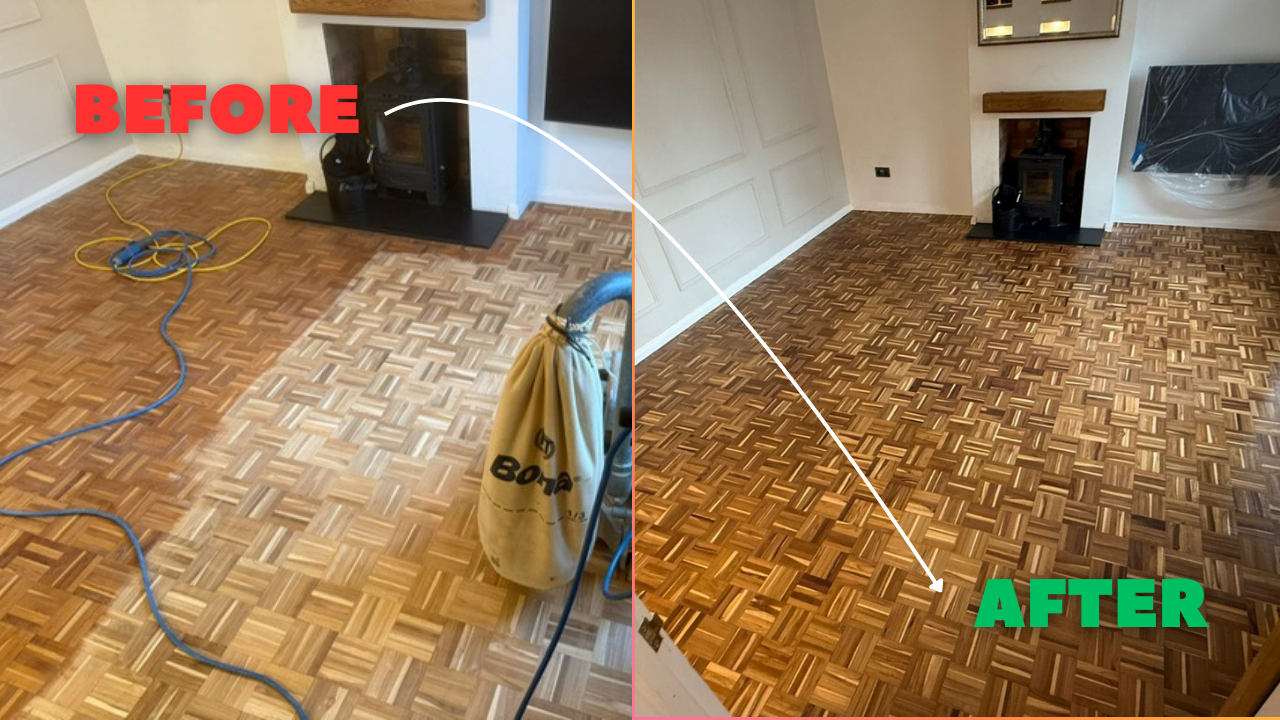
Restore Natural Beauty with Wood Floor Sanding in Sydenham
If your wooden floor has lost its glow, picked up scratches, or started looking tired under years of daily life, the good news is simple: it does not need replacing. In many homes and commercial spaces, the floor you already have can be transformed beautifully with the right sanding, restoration, and finishing process. And when that process is carried out with sustainability in mind, the result is even better for your home, your family, and the environment.
That is exactly why more property owners are turning to wood floor sanding services, floor restoration specialists, and dust-free floor sanding that focus on quality workmanship with cleaner, lower-impact methods.
In Sydenham, eco-friendly wood floor sanding is not just a trend. It is a smarter way to restore natural timber floors without the waste, disruption, and environmental cost that often comes with ripping out and replacing them. Floor restoration helps preserve original boards, reduces landfill waste, and allows homeowners to enjoy the warmth and character of real wood for many more years.
At Sydenham Floor Sanding, the company highlights dust-free sanding, wood floor repair and restoration, gap filling, staining advice, and protective finishes including natural oil, hard wax oil, and lacquer. The site also notes child-safe, pet-friendly, asthma-safe, and green-cleaning values, which fit perfectly with the growing demand for eco-conscious home improvement.
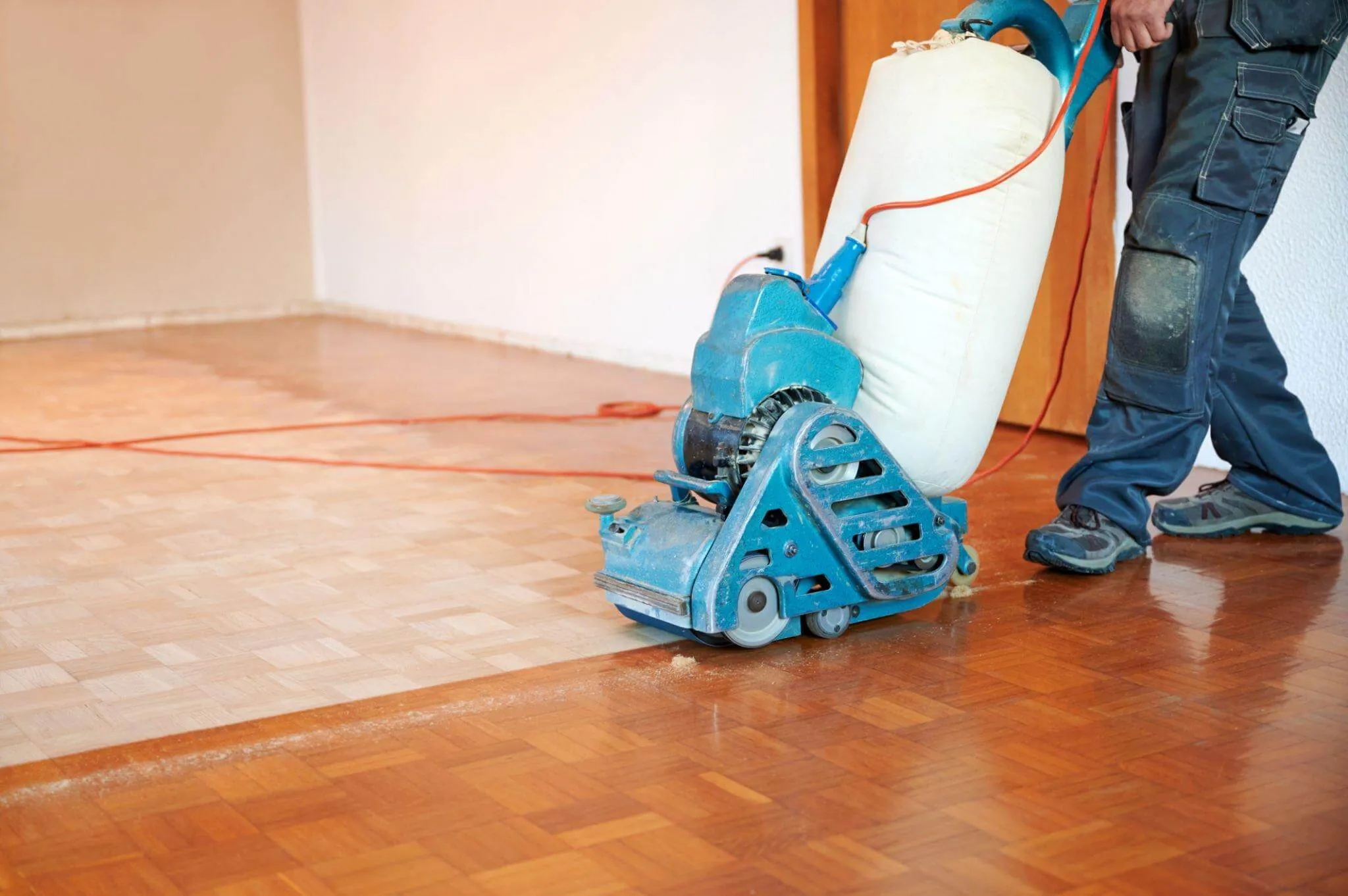
Why eco-friendly wood floor sanding matters
Wooden floors are one of the most sustainable surfaces you can have in a property, especially when you restore them instead of replacing them. Real wood has longevity built into it. Beneath dull finishes, black marks, scuffs, and minor surface damage, there is often a beautiful floor waiting to be revealed again.
Eco-friendly sanding matters because it helps you:
- keep original materials in use for longer
- reduce unnecessary waste
- avoid the environmental cost of full replacement
- improve indoor air quality with better finishing choices
- protect the natural beauty of timber without harsh treatments
Many people assume an old floor is beyond saving, but that is often not true. Scratched boards, worn parquet, faded hardwood, and scuffed engineered flooring can all respond well to careful restoration. The sustainable choice is usually the one that works with what is already there.
That is why wood floor repair and restoration is such an important service. Instead of covering old boards with carpet or laminate, or sending usable timber to landfill, professional sanding gives the floor a second life.
What makes a wood floor sanding project eco-friendly?
Not every sanding job deserves to be called eco-friendly. True environmentally conscious floor restoration combines several good decisions throughout the whole process.
1. Restoring rather than replacing
This is the biggest factor of all. Choosing restoration over replacement preserves your original floorboards and dramatically cuts down on waste. It also avoids the need for new materials, additional transport, and the disposal of old flooring.
2. Dust-free sanding systems
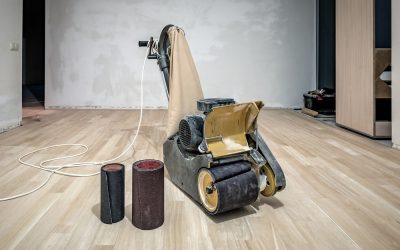
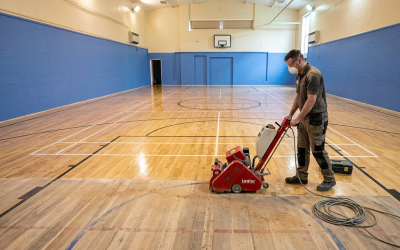
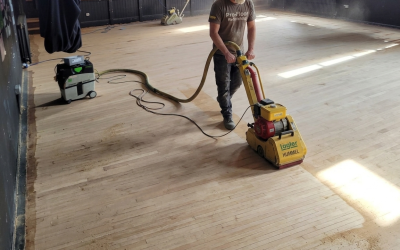
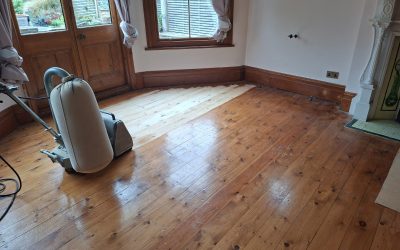
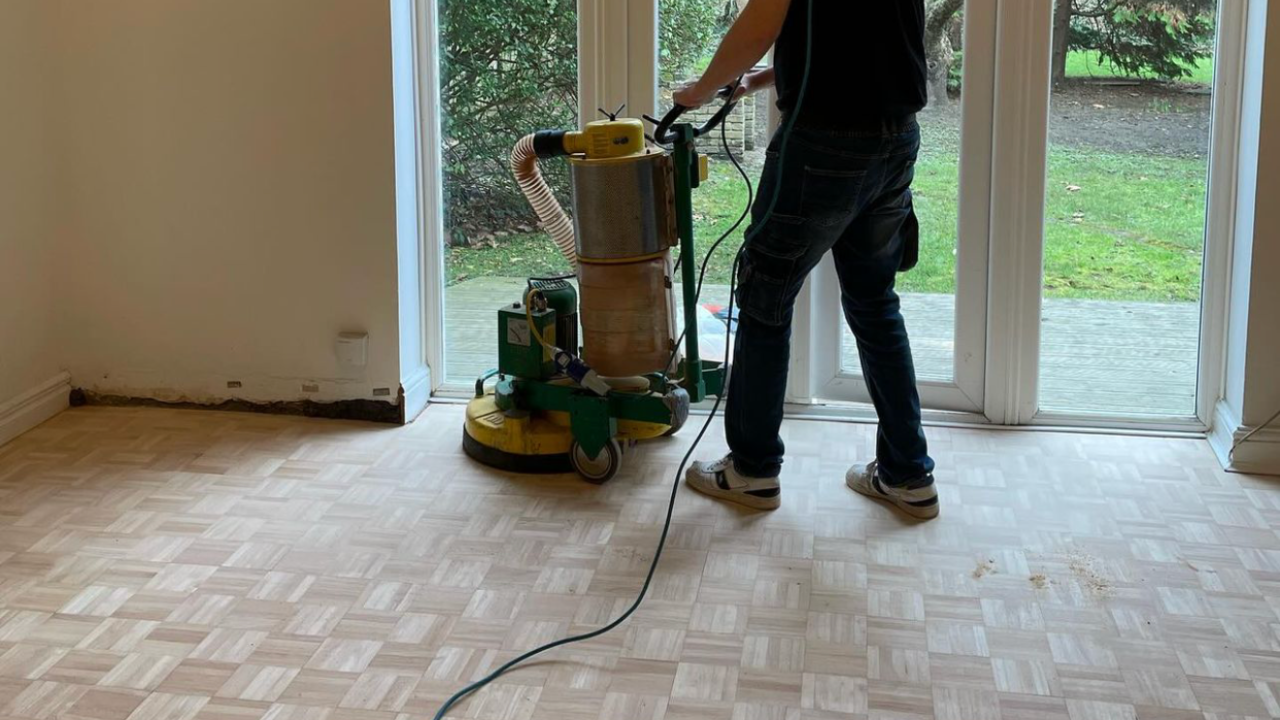
Modern sanding methods have come a long way. A professional setup with advanced extraction keeps airborne dust to a minimum, making the process cleaner and healthier for occupants. The Sydenham Floor Sanding website states that its unique collection system ensures 99% dust-free sanding, which helps create a cleaner working environment during restoration.
3. Thoughtful floor repairs
An eco-friendly contractor does not rush to replace entire sections when localised repairs will do. They assess whether boards can be realigned, repaired, filled, strengthened, or selectively replaced with matching or reclaimed timber where needed. The site specifically mentions repairing damaged areas, replacing boards where necessary, and realigning wobbly boards or blocks.
4. Responsible finishing options
Your finish matters just as much as the sanding itself. Lower-impact options such as oils and hard wax oils can be an excellent choice for many wood floors because they nourish the timber, enhance the grain, and can be easier to maintain over time. The Sydenham site lists natural oil, hard wax oil, and lacquer among its finishing options.
5. Long-term durability
The greenest floor is often the one that does not need redoing too soon. A high-quality sanding job, proper preparation, and the right protective finish all extend the life of the floor, reducing future material use and maintenance demands.
The benefits you will love as a Sydenham homeowner
Eco-friendly wood floor sanding is not only about the planet. It also delivers very practical benefits in day-to-day life.
A fresher, brighter home
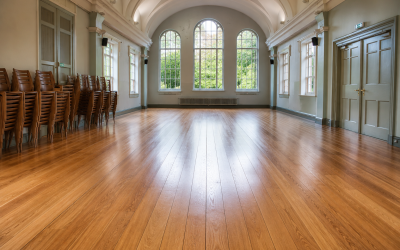
Sanded and refinished wooden floors reflect light better and instantly lift a room. Spaces feel cleaner, larger, and more welcoming. If your current floor looks dull and lifeless, restoration can completely change the atmosphere of the property.
Better indoor comfort
A professionally restored timber floor is easier to clean and maintain than worn surfaces with ingrained dirt, flaky finish, or gaps collecting dust. Cleaner floors can make the whole room feel healthier and more pleasant.
More character, not less
One of the joys of real wood is that it has grain, variation, and personality. Eco-friendly restoration respects that character. Rather than replacing authentic timber with a generic manufactured surface, sanding reveals the natural features that make a floor special.
Improved property appeal
Well-restored wood flooring can make a strong impression on visitors, buyers, tenants, and customers. In homes, it creates a cared-for look. In businesses, it signals quality and professionalism.
A finish tailored to your lifestyle
Families, pet owners, landlords, and commercial operators all need different things from a floor finish. Some want a natural matt appearance. Others want high durability in busy areas. Some want a richer colour or a lighter modern tone. A good contractor will help match the finish to the room’s use and your style preferences.
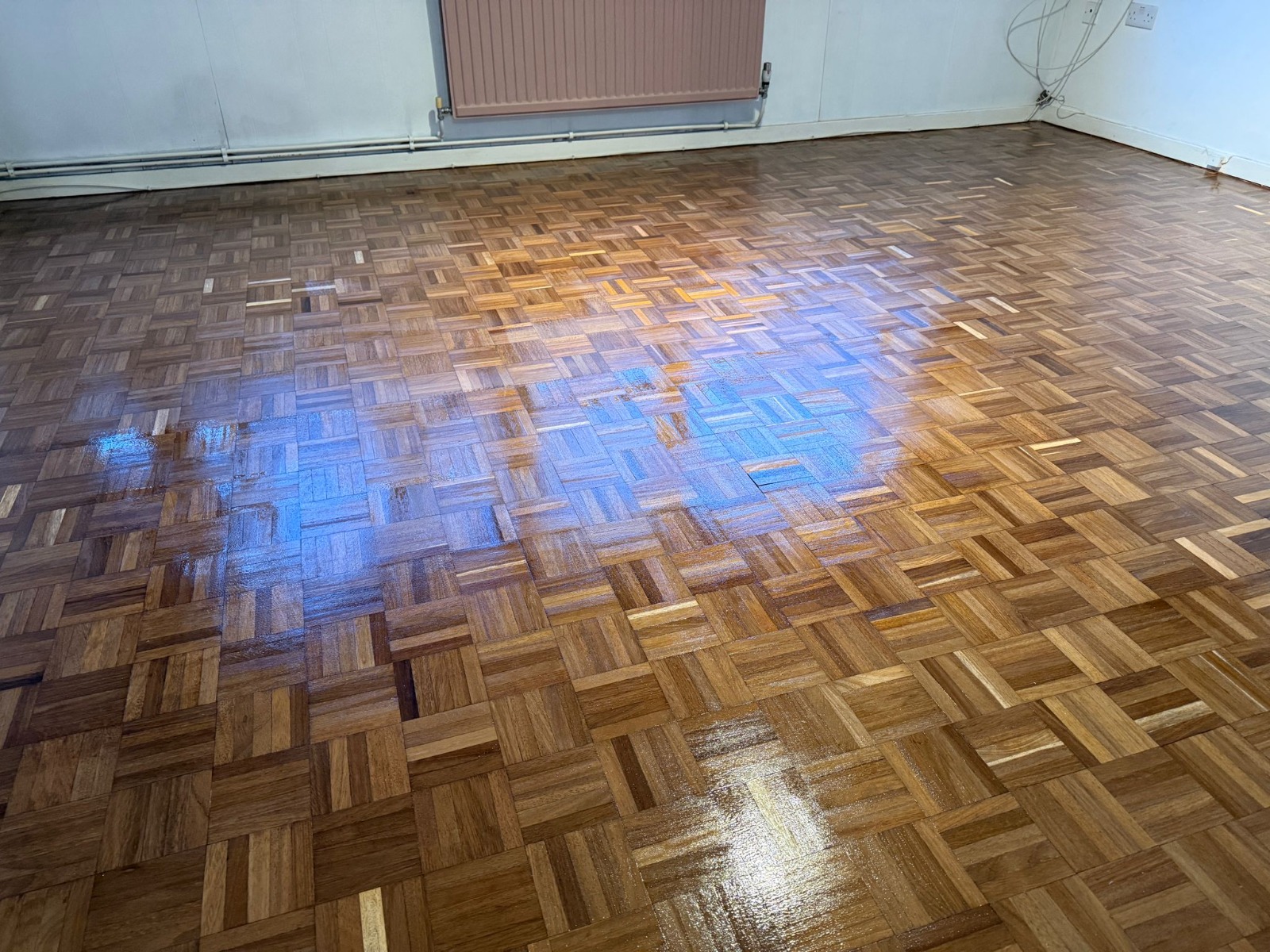
The eco-friendly sanding process explained
A professional project should feel methodical, not messy or rushed. Here is how the process usually works.
Initial assessment
Every floor is different. Age, timber species, previous finishes, damage levels, moisture conditions, and room use all affect the best approach. A proper assessment helps identify repairs, finishing options, and the likely outcome.
On its website, Sydenham Floor Sanding says it works on hardwood, engineered boards, and parquet blocks in homes and commercial premises, and offers free assessments.
Preparation
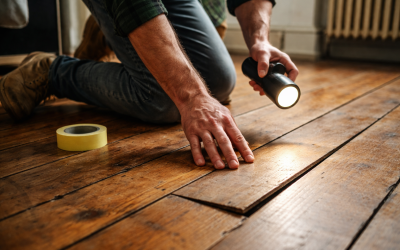
The room is prepared carefully before sanding begins. This may include lifting old coverings, checking loose boards, carrying out minor repairs, and protecting surrounding areas. Good preparation improves the final finish and helps avoid unnecessary repeat work.
Sanding through the correct grades
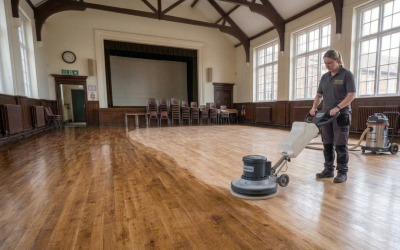
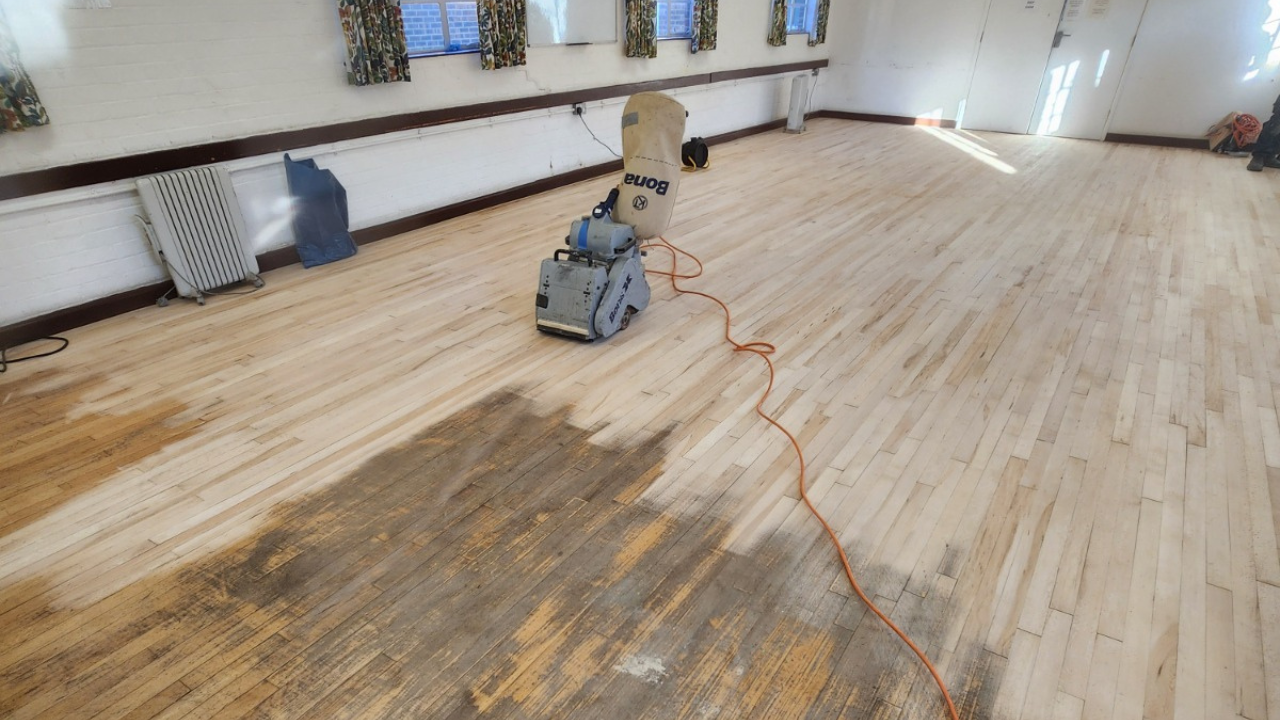
Eco-friendly sanding is not about cutting corners. It is about precise technique. The floor is sanded gradually through different abrasive grades to remove old finishes, smooth the timber, and prepare it for treatment. The goal is to restore the floor evenly without removing more wood than necessary.
Repairs and gap filling
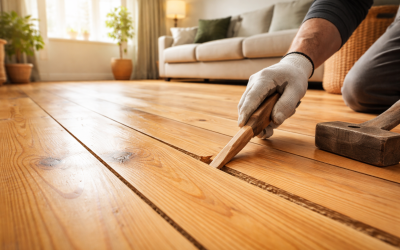
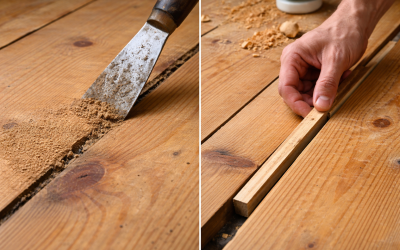
Many older floors in Sydenham properties have small defects that can be corrected during restoration. Boards may need securing, damaged sections may need replacing, and gaps may need filling depending on the desired result. The company’s pricing page lists several filling approaches, including sawdust and resin for smaller gaps, slivers for wider gaps, and cosmetic filling for small cracks and nail holes.
That means gap filling and repairs can be integrated into the project rather than treated as an afterthought.
Staining, if required
Some floors look best restored to their natural colour. Others benefit from staining to suit décor, add depth, or modernise the space. A lighter finish can make a room feel contemporary and airy. A richer tone can add warmth and elegance.
The Sydenham site notes that staining can help change the whole appearance of a property and that customers can ask for advice on lighter or darker shades.
Sealing and protection
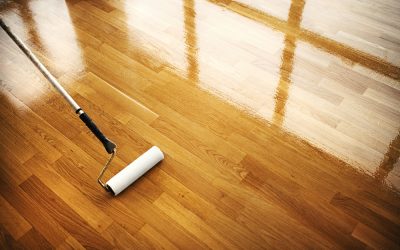
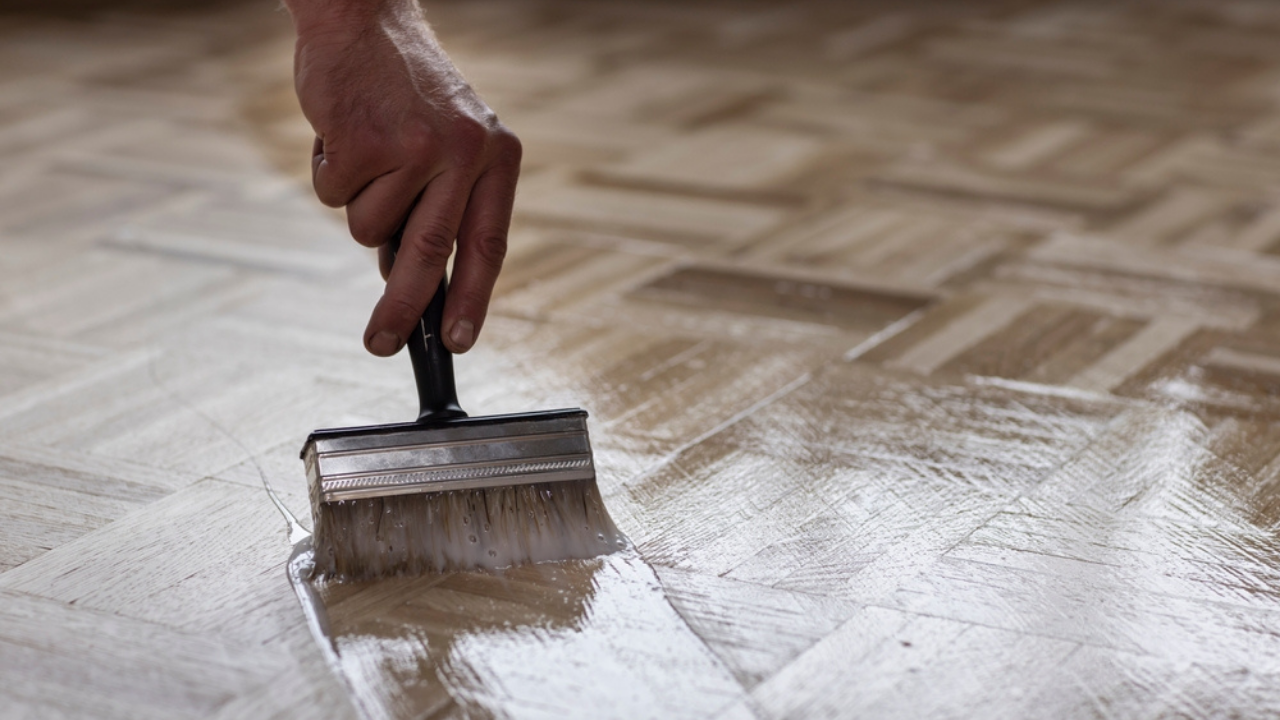
Once sanding and repairs are complete, the floor is sealed with the chosen finish. This is where sustainability and performance meet.
You might choose:
- natural oil finishes for a breathable, character-rich look
- hard wax oil protection for durability and easy maintenance
- wood floor lacquer finishes for tough protection in busier rooms
Each option has its strengths, and the best choice depends on traffic levels, appearance goals, and maintenance expectations.
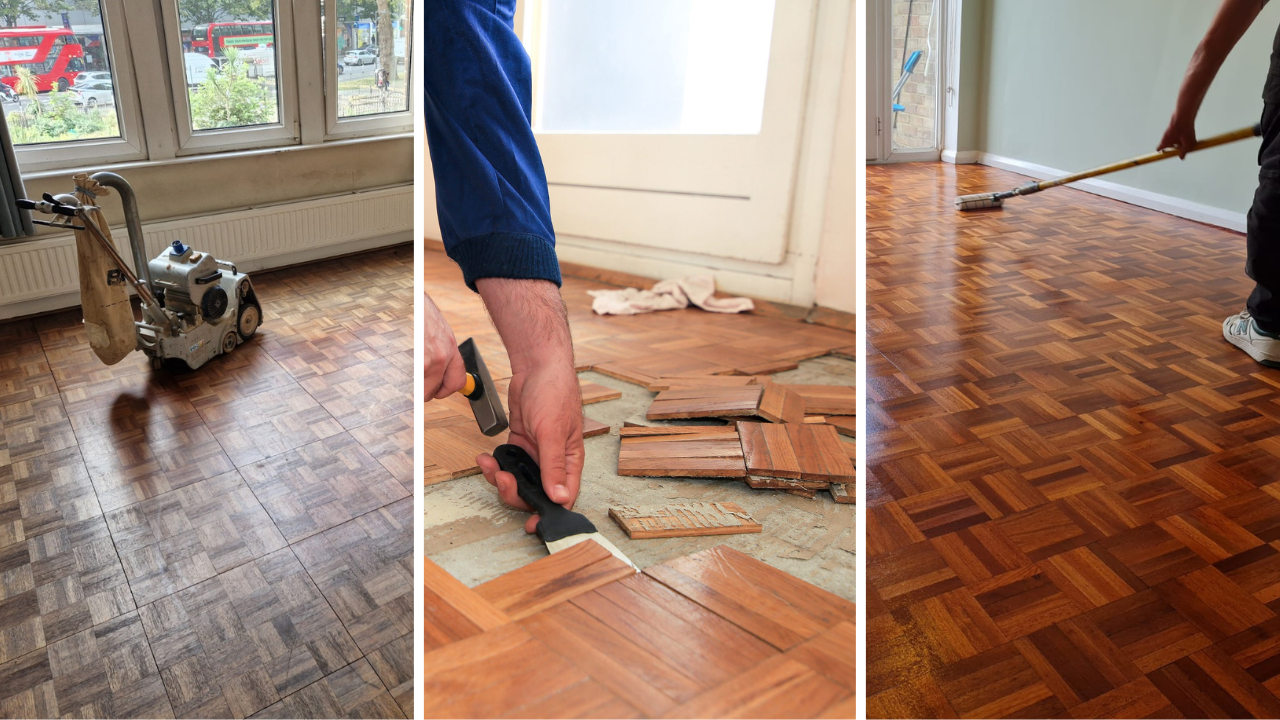
Which wood floors can be restored sustainably?
The short answer is: more than most people think.
Hardwood floorboards
Traditional solid wood boards are ideal candidates for sanding and refinishing. They can often be restored multiple times over their life when handled correctly.
Engineered wood floors
Many engineered floors can also be sanded, depending on the thickness of the real wood wear layer. A professional assessment is essential before any work begins.
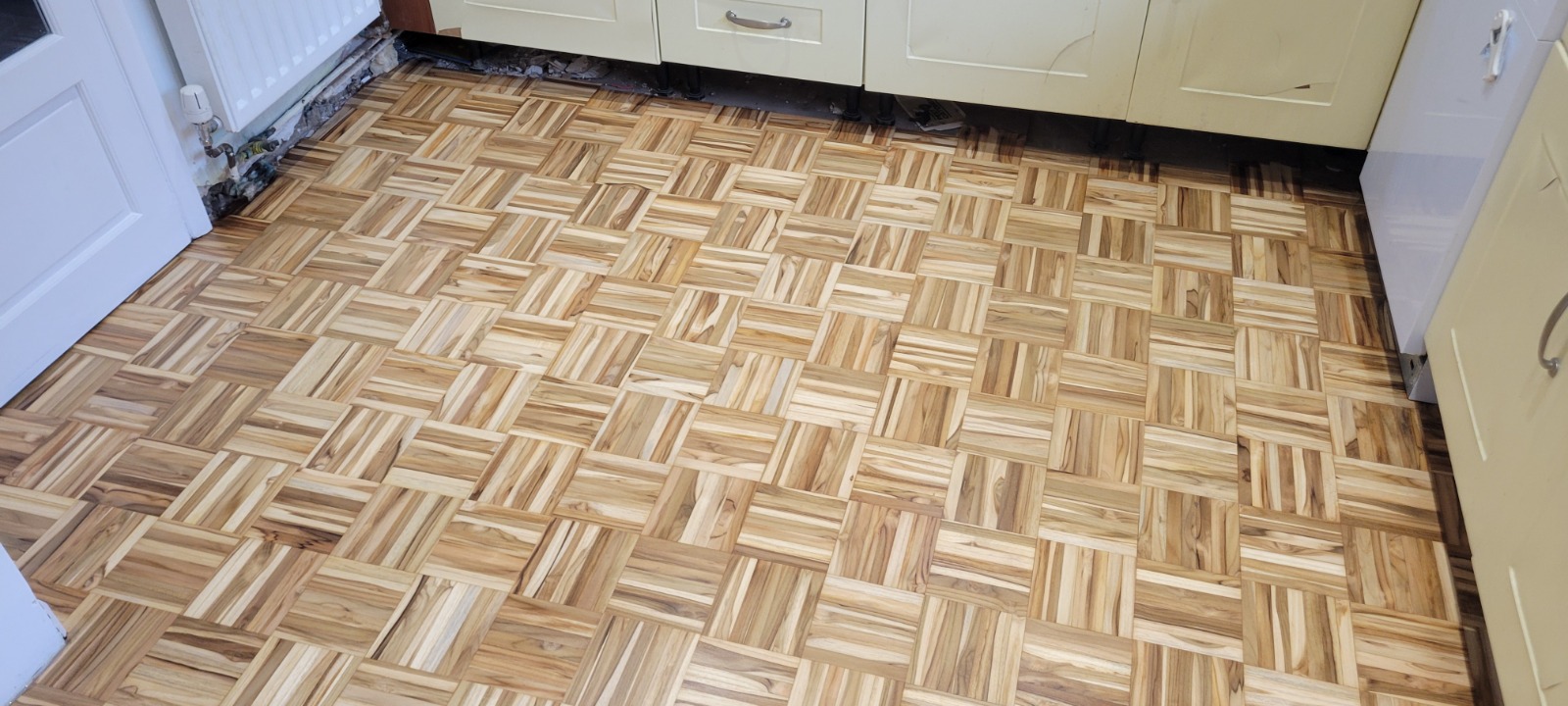
Parquet floors
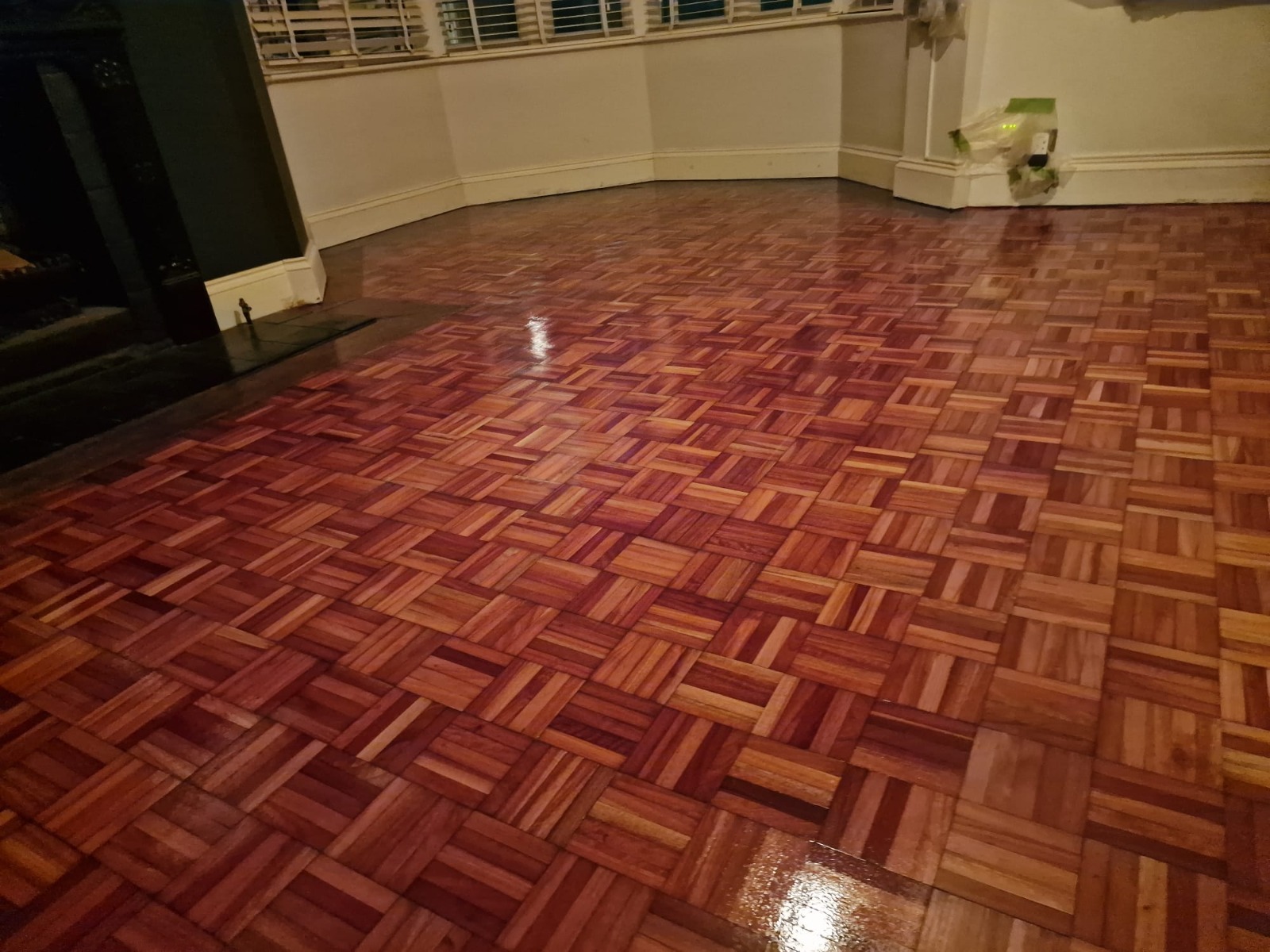
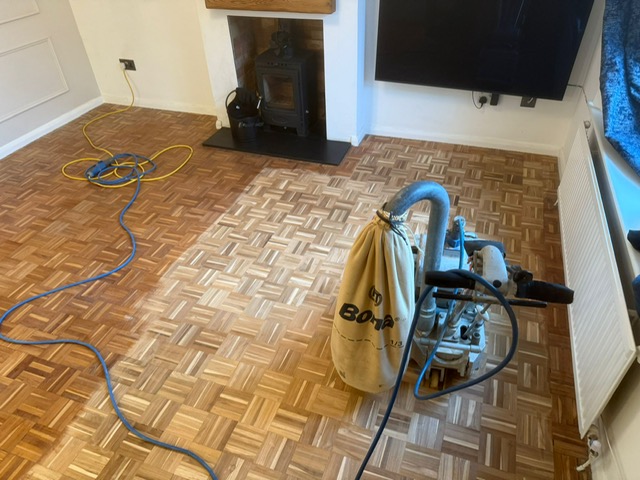
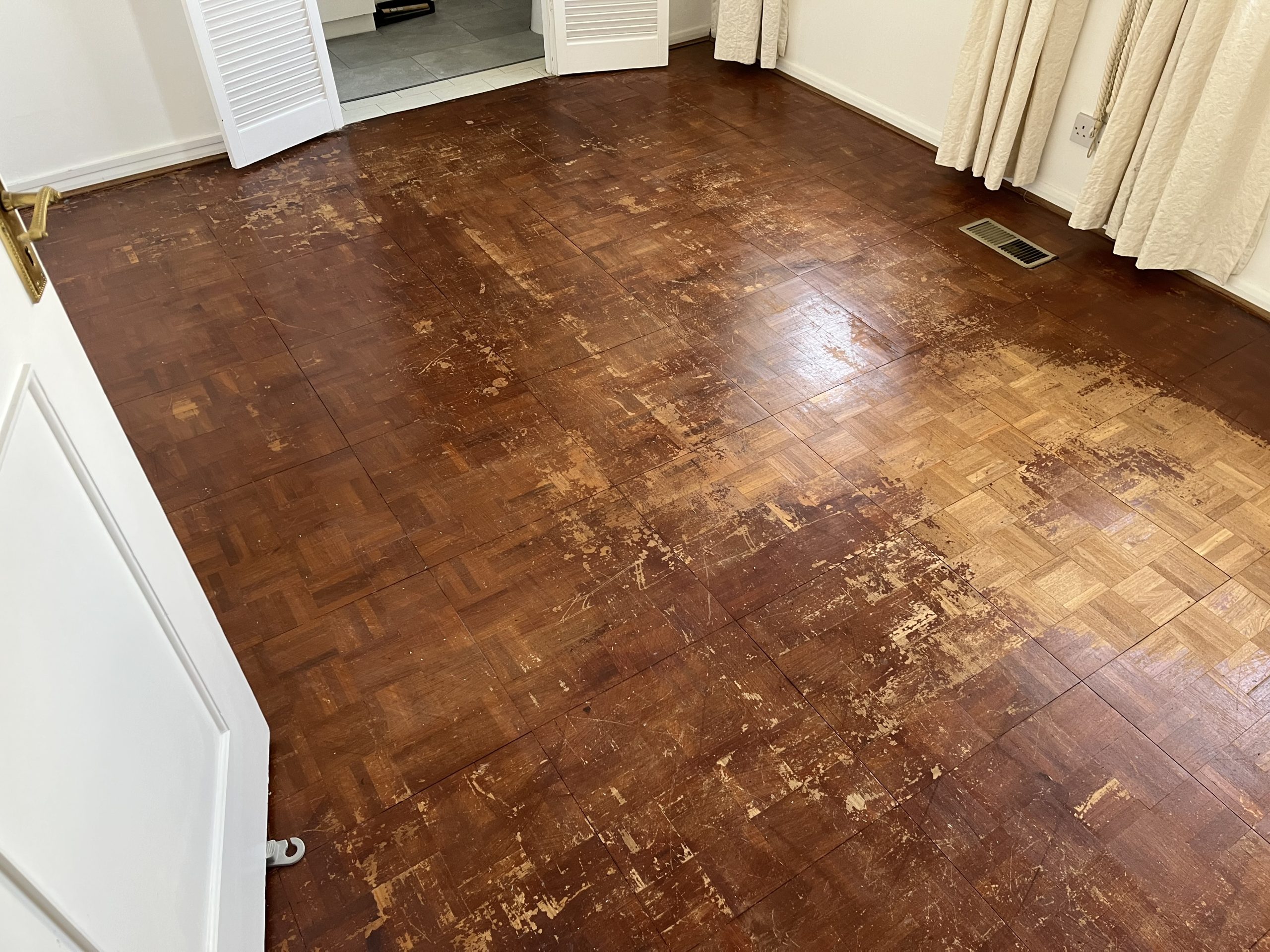
Parquet is one of the most rewarding floors to restore. Once sanded and finished properly, parquet can look stunning, bringing pattern, texture, and heritage charm back into focus.
Commercial wood floors
Offices, shops, restaurants, schools, and other commercial interiors can benefit from sustainable sanding too. Instead of replacing worn timber surfaces, restoration keeps the business looking smart with less waste.
The Sydenham website states that the team works in both domestic and commercial locations such as shops, pubs, offices, schools, gyms, and restaurants.
Eco-friendly finishes: what should you choose?
Choosing the right finish is one of the most important decisions in the whole project.
Natural oil
Oil soaks into the timber and enhances the natural grain beautifully. It creates a warm, authentic look that many people love, especially in period homes and interiors aiming for a more organic feel.
Hard wax oil
Hard wax oil combines natural appearance with stronger surface durability. It is popular for households that want beauty and resilience together.
Lacquer
Lacquer forms a protective top layer and is often chosen for high-traffic areas where toughness is key. It can work brilliantly in busy family homes and commercial settings.
The Sydenham site mentions all three finish categories and explains that the final protection helps preserve the new surface for longer.
Why local expertise in Sydenham makes a difference
A local floor sanding company understands the kinds of properties found in and around Sydenham, from period homes with original boards to updated flats and busy commercial spaces. That matters because local experience helps with realistic assessments, suitable finish recommendations, and practical planning.
It also means you can work with a team that is close by, understands local expectations, and can provide straightforward support from quotation through to completion.
Sydenham Floor Sanding says it has been helping residents and businesses since 1999, offers free assessments, and provides assistance 24/7 through its contact channels.
Signs your floor is ready for restoration
Not sure whether your floor needs sanding? Watch for these common signs:
- the finish looks dull or patchy
- scratches and scuffs are becoming more obvious
- old stain or sealant is peeling or worn away
- boards feel rough underfoot
- there are minor gaps, movement, or localised damage
- the room feels tired no matter how much you clean it
If any of those sound familiar, a professional assessment can show whether restoration is the right next step.
Caring for your newly restored eco-friendly floor
Once your floor has been sanded and sealed, smart maintenance will keep it looking beautiful for longer.
Use mats at entrances. Keep grit off the surface. Clean up spills promptly. Avoid dragging heavy furniture. Use felt pads under chairs and tables. And follow the maintenance guidance for your chosen finish, especially if you opt for oil-based protection.
The Sydenham website’s wood floor oil guidance notes that oiled floors are generally low maintenance and may need another coat every two to three years depending on wear.
That long-term maintainability is part of what makes eco-friendly restoration such a good investment.

Why this approach is better than replacement
Replacing a timber floor may sound tempting when it looks badly worn, but replacement is often the more expensive, more wasteful, and less satisfying route.
Sanding and restoration let you:
- keep original features
- spend less than full replacement in many cases
- avoid unnecessary waste
- improve the floor you already own
- enjoy authentic wood rather than imitation surfaces
It is a practical decision, a visual upgrade, and a greener choice all at once.
Bring your Sydenham wood floors back to life
When done properly, eco-friendly wood floor sanding can completely transform a space. It removes years of wear, reveals the beauty of the timber underneath, and gives you a cleaner, healthier, more attractive finish without the waste of replacement.
Whether you have hardwood boards, parquet, engineered wood, or a commercial timber floor that has seen better days, the right floor sanding and restoration service can make all the difference.
If you want cleaner methods, expert workmanship, and finishes that protect both your floor and your living environment, take the next step with Sydenham Floor Sanding. The company highlights dust-free sanding, restoration, repairs, staining, and sealing support, along with free assessments for local customers.
A beautiful floor is already in your home.
It just needs the right hands to uncover it.
For advice or a quote, visit Sydenham Floor Sanding or call 0800 335 7565.